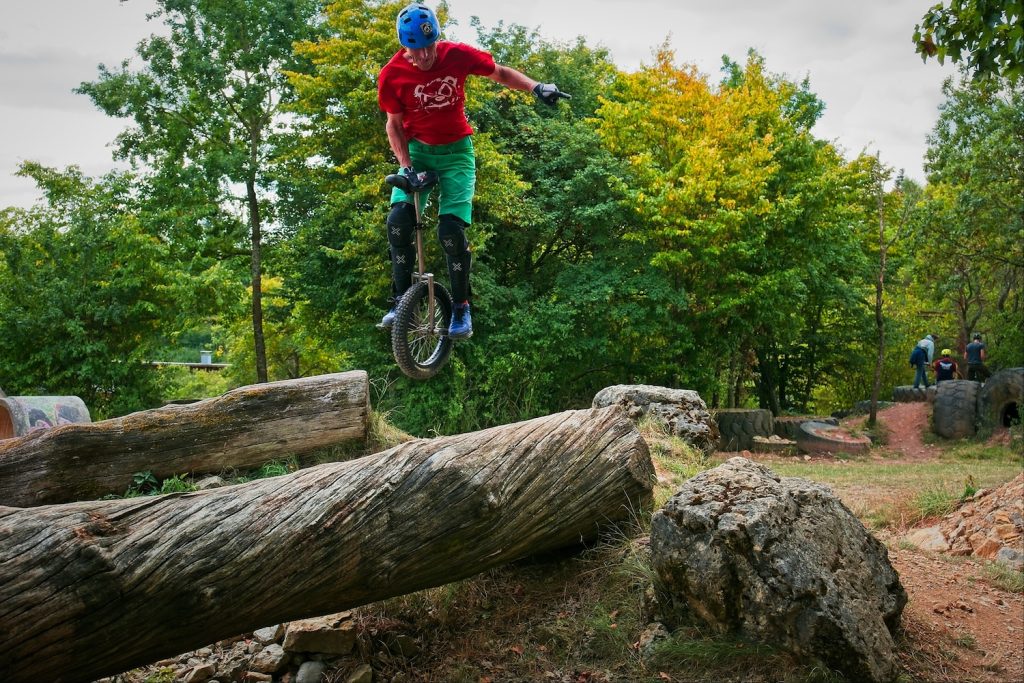
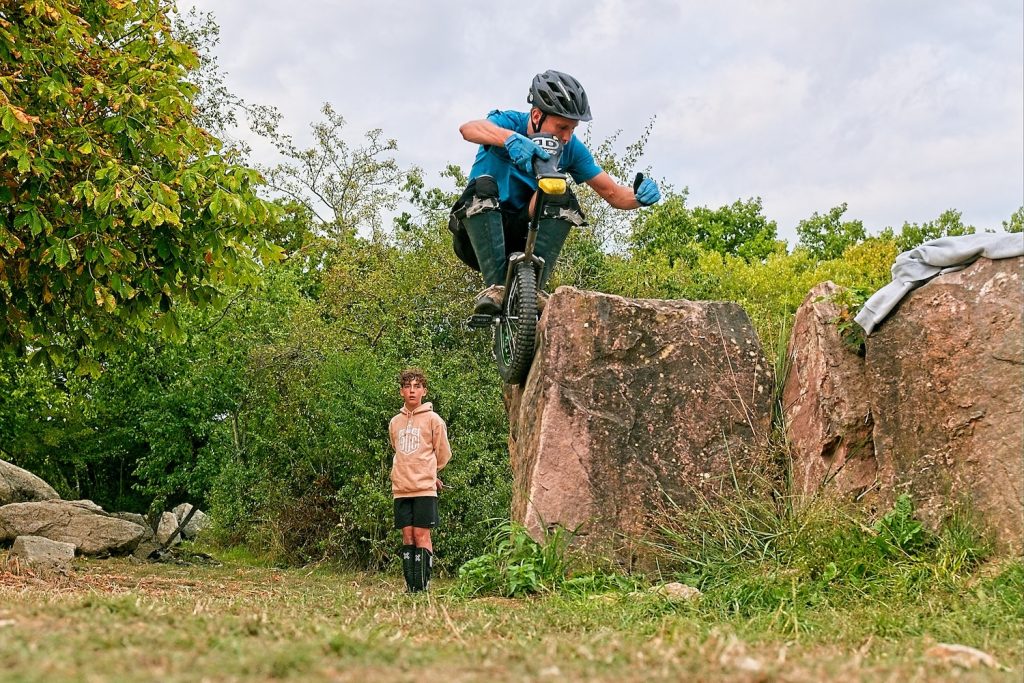
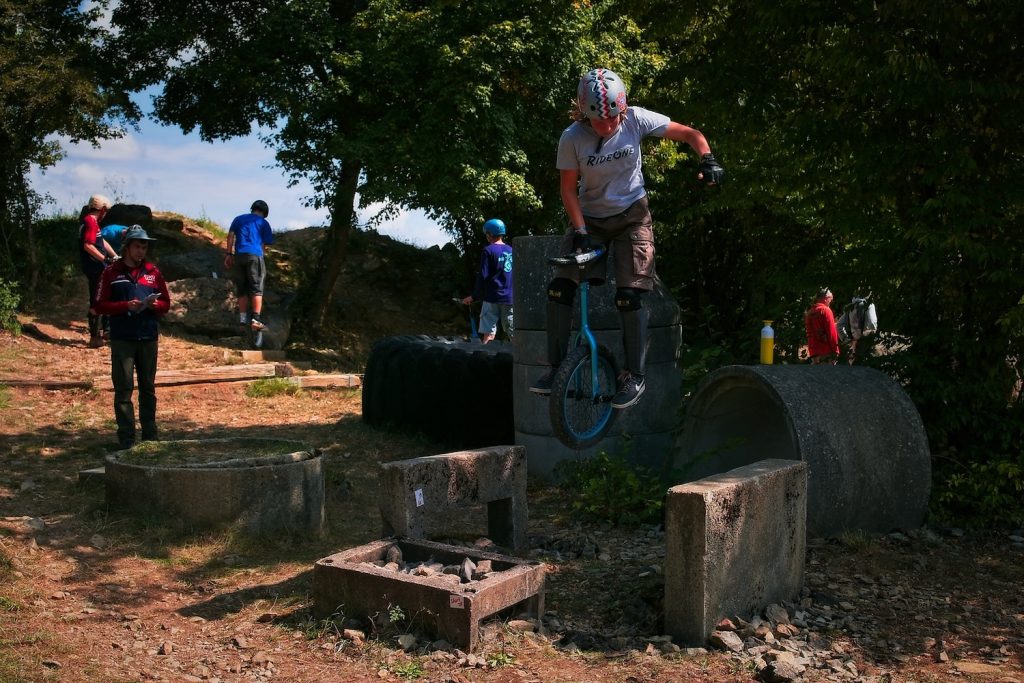
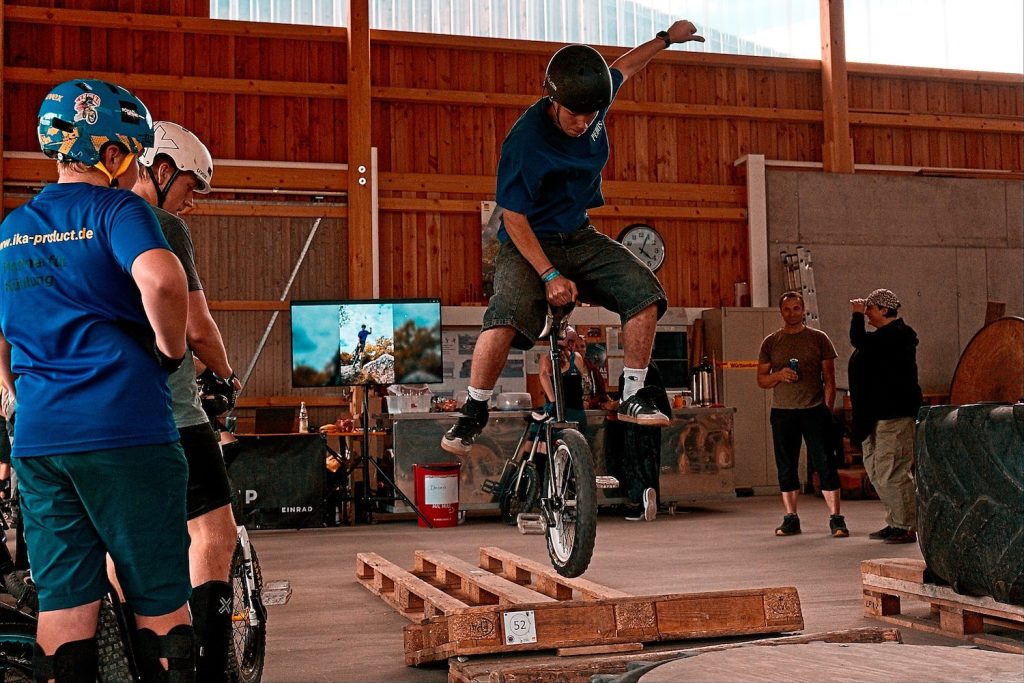
I don’t have that much experience with sports-photography, as theater and festivals are the arenas I’m used to. Through the years I made a lot of photos of my daughter Sofia and her unicycle of course, but never covered a whole event a lot of athletes, all with different techniques and timing. Now sometimes I volunteer as a unicycle event-photographer. I find it exciting but still have a lot to learn.
Disciplines like Trials are pretty new to me. I’m not familiar with the techniques and the lines. Some of them are really flying all over the place. So for the time being I prefer to stay back a bit to not annoy the athletes.
Another problem I have to overcome is my excitement. The athletes sometimes really awe me with really cool jumps and climbs. It made me forget to take a photo of the moment more than once.
These photos are from a set I took during the German Unicycle Championships Trials (2025) in Wildberg-Sulz. It’s a really awesome site, both indoor and outdoor.
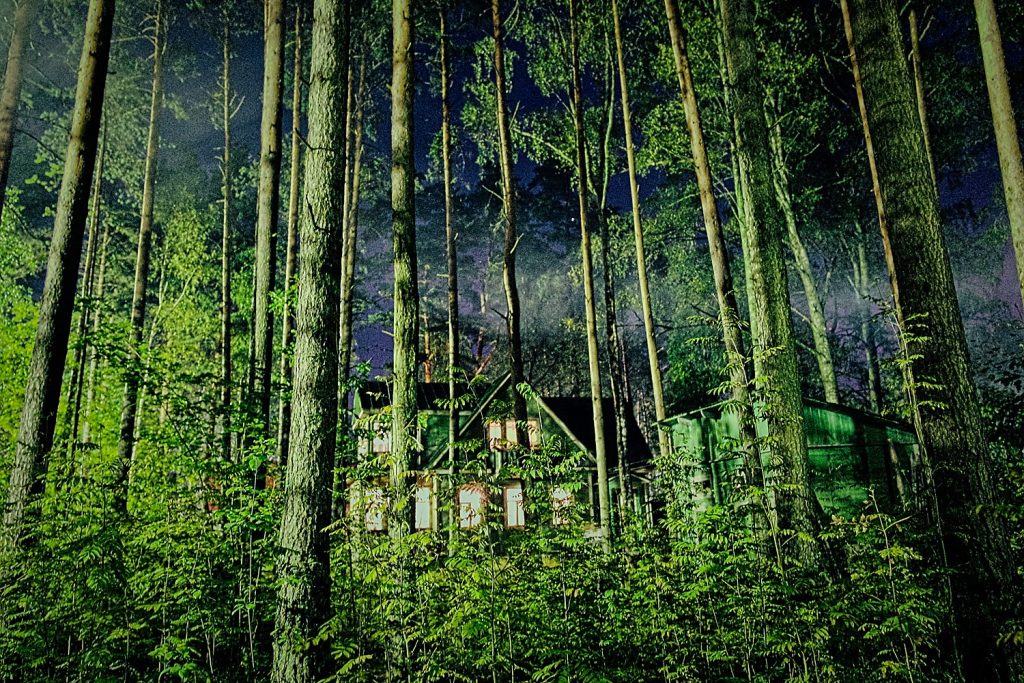
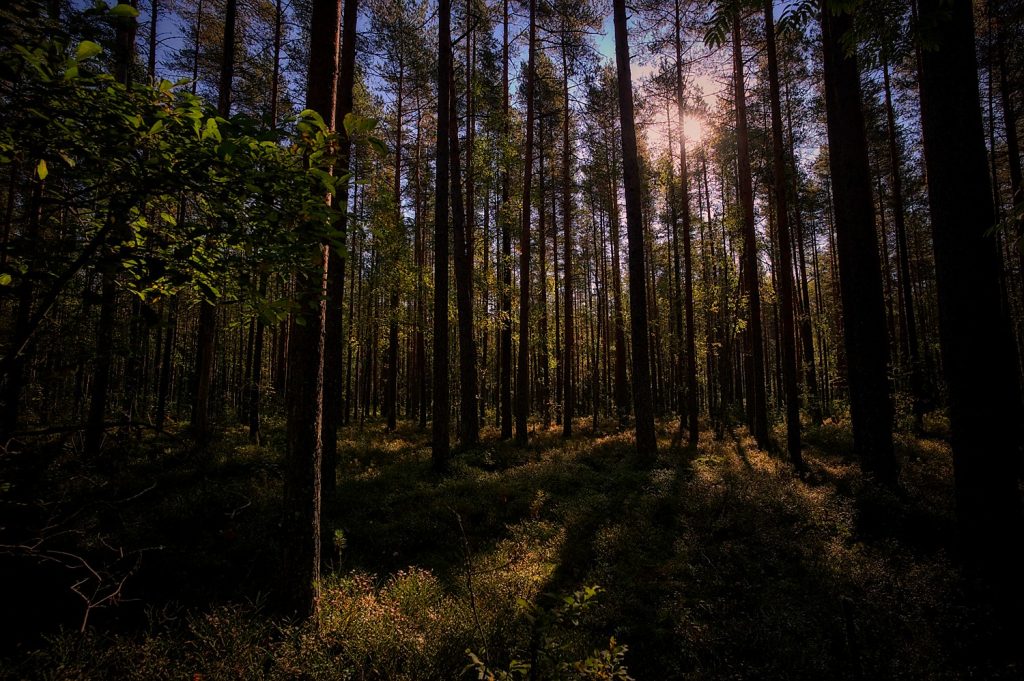
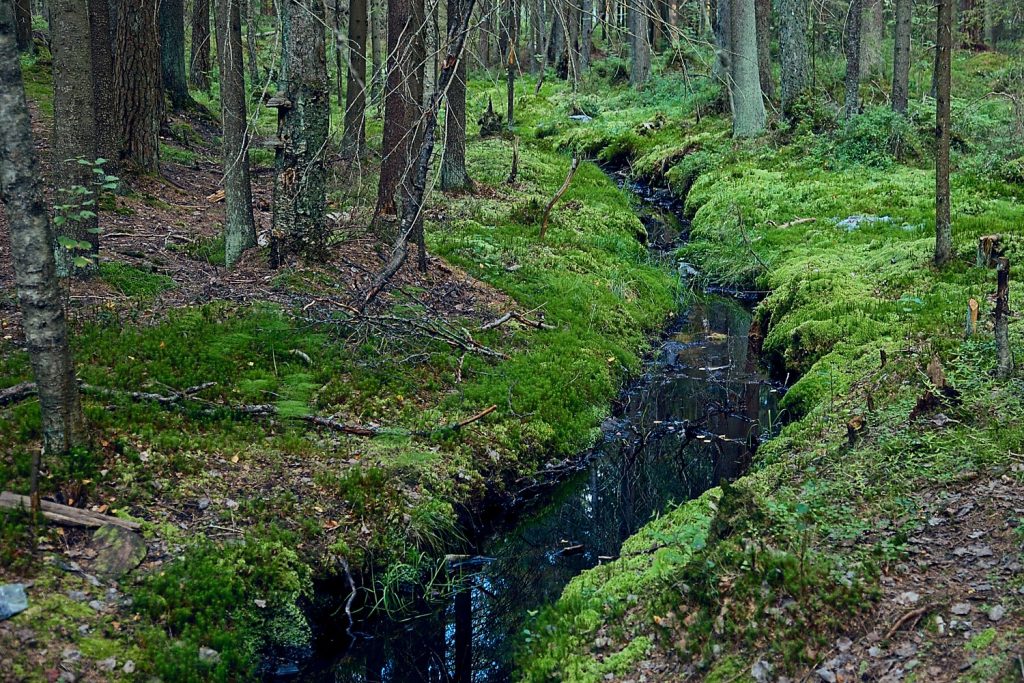
The fairytale forest villages usually have no more than a few hundred permanent residents. Some even less than hundred. In the summer, that number grows by several thousand. Between May and November the city-dwellers escape the hustle and bustle and seek out their picturesque country homes. I am talking about the small villages located in the forests on the Karelian Isthmus, between Vyborg and St. Petersburg. Within walking distance of the beaches of the Gulf of Finland and surrounded by countless small lakes. The area was originally part of Finland, but after World War II it was absorbed by the USSR and is now integrated in the Russian Federation.
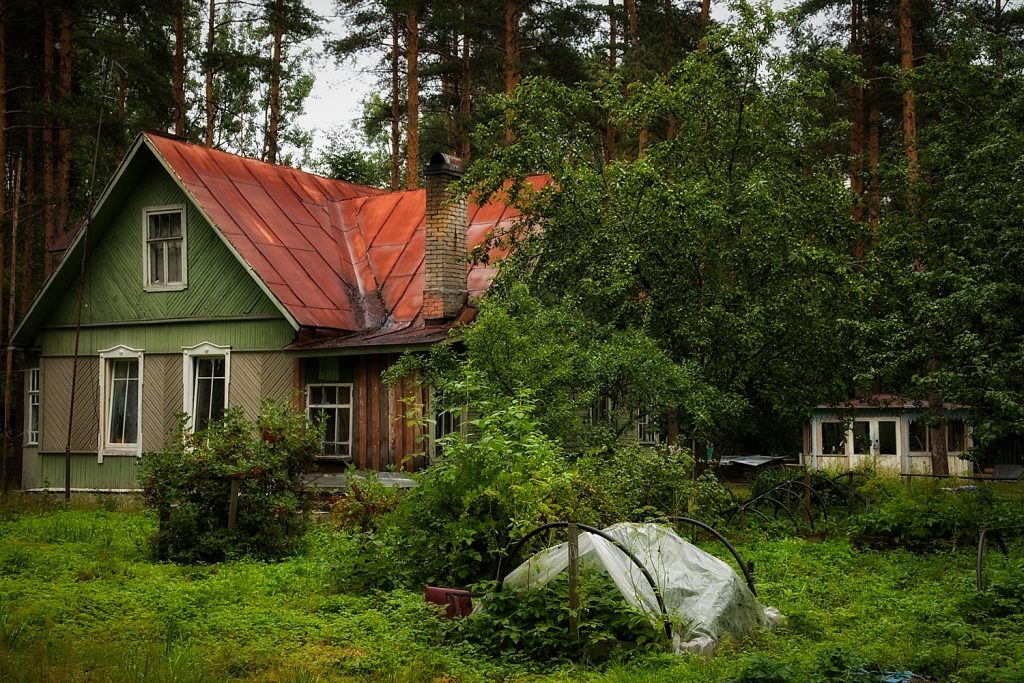
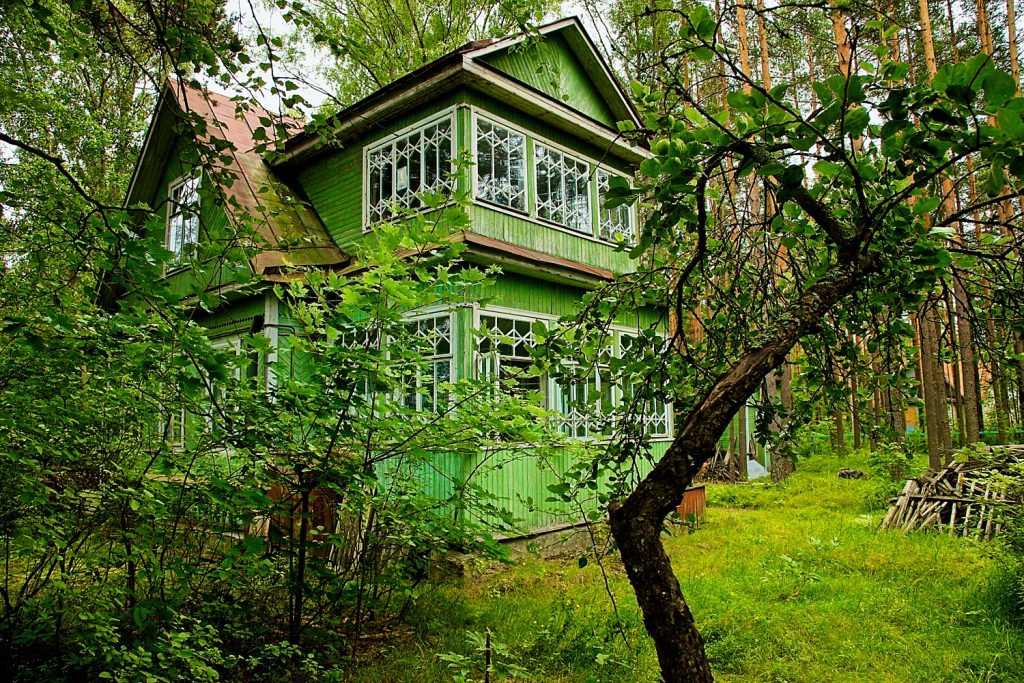
Classic Finnish Style
In the vast forests you can still find houses like these, but they are getting rare.
Before the first world war, a lot of ground and homes were already purchased by wealthy Russian residents of Saint-Petersburg. The Russian elite were willing to pay a high price for such a rustic wooden country house in classic Finnish style.
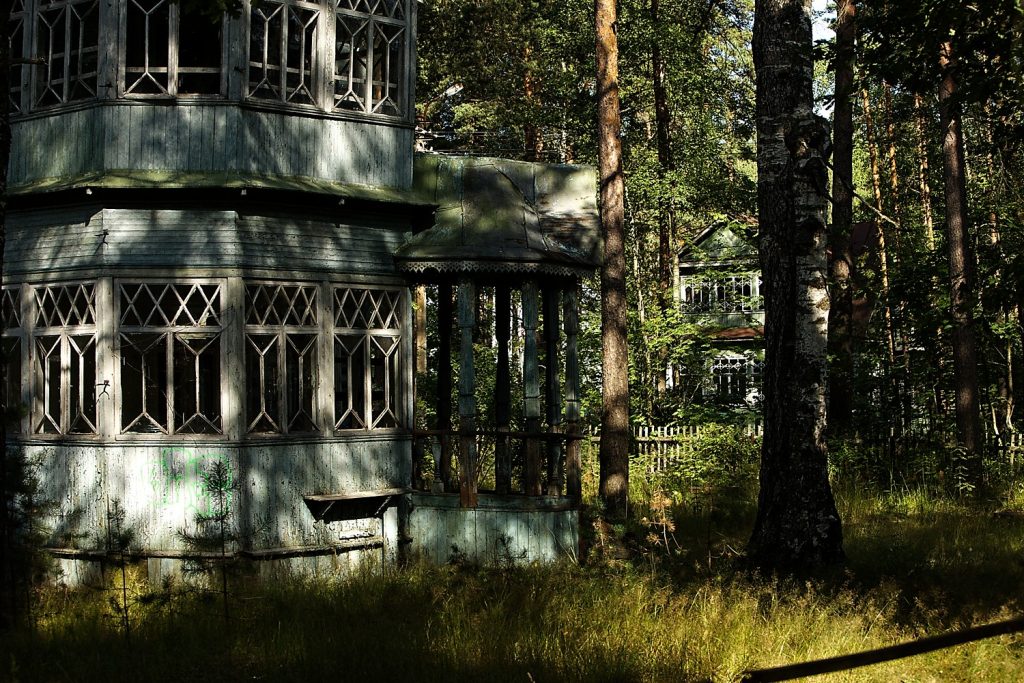
Initially, it was rich Russian intellectuals. Poets and writers flocked en masse to the Finnish forest with its thick moss-covered beds. The House of Creativity of the Russian Literary Society is still located there. Due to overdue maintenance, it had to close its doors two years ago, but the woodpeckers still live there.
Conservatory on every floor
This once beautiful dacha ended its operational life as an orphanage. After years of decaying, the plot was finally bought by the Sint-Petersburg Authorities. They replaced the orphanage by a huge retirement center.
In the 1920s and 1930s, it was mostly party-bosses who sought refuge in the region. They built their country estates, known as dachas, on spacious plots of land. And in this case we are not talking about small 2 bedroom sheds. These are huge 3-4 storey houses with a big glass conservatory on every floor. And balconies all around, and finished with woodwork and rustic porches. The Communist elite needed peace and quiet, but in luxury.
After the Second World War, the area was absorbed into the USSR and now it was the turn of the Russian intelligentsia to move to the forests. They often earned building-permission as part of a government award, eg polar-explorers, scientists and the builders of Sputnik.
No Wild West in the fairytale forest
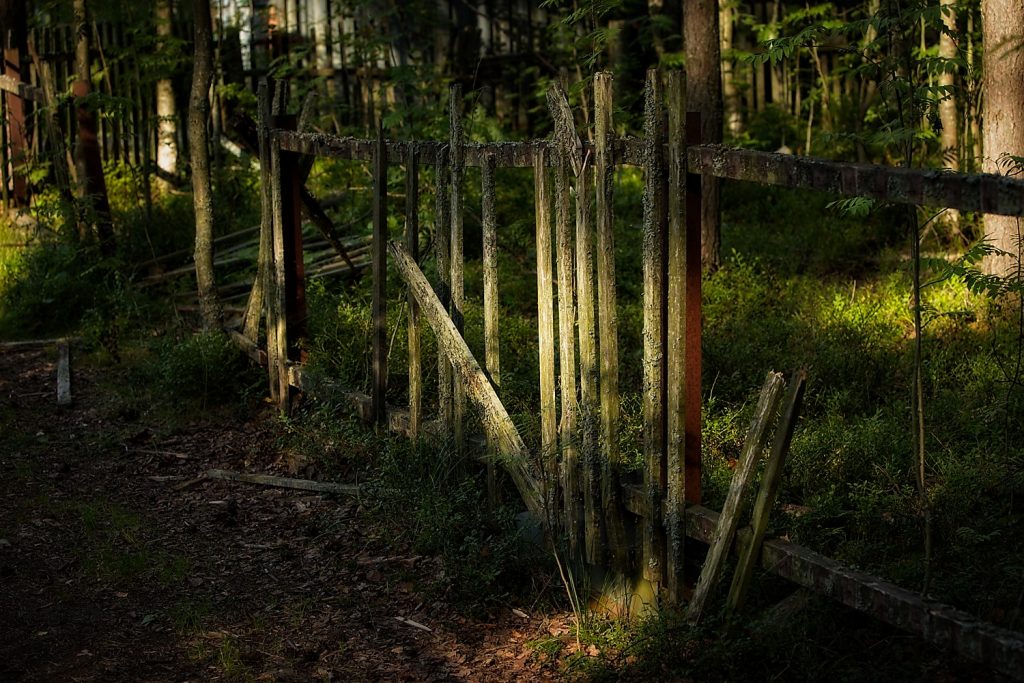
If you got permission to build a house, you had to comply with strict rules. You were not allowed to build on or at the beach. You had to respect the forest and were not allowed to cut down healthy trees. The Finnish style was to be maintained. So you could only build wooden houses in soft pastel shades. They had wood-burning stoves and beautifully decorated windows. Matching sheds and wells were placed on a sandy soil dotted with blueberries. It was okay to fence off your land in order to keep the moose out. But you had to make use of fragile slats. The lines of sight in the forest were not to be disturbed. The forest was so rustic and desolated, that you would almost forget that a cold war was raging.
Hibernation
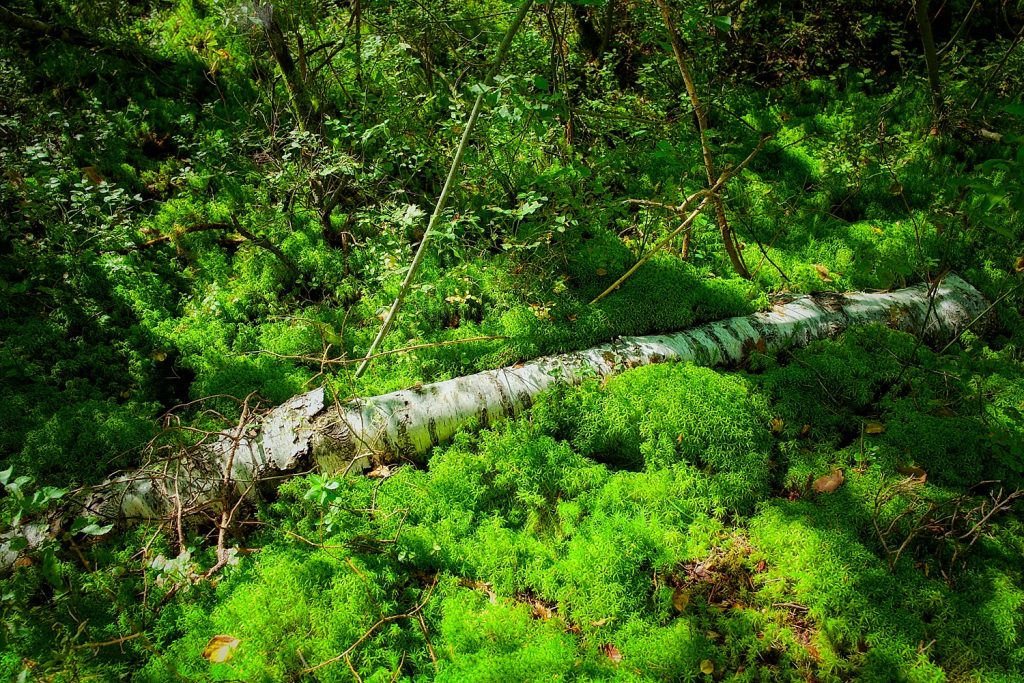
The endless fairy tale forest of Karelia. It’s easy to get lost here.
In the 1970s, the fairy tale forest slumbered in a deep hibernation. Untouched, it survived Brezhnev, Andropov, and Chernenko. It slept through Gorbachev’s Perestroika and subsequently survived Yeltsin with his jokes, pranks, and uprisings.
The permanent- and summer residents enjoyed their peace and quiet, their customs and traditions. Three times a week people cued up on a sandy square for a truck bringing fresh milk and white cheese. For the rest of the groceries they depended on mobile vendors that irregularly brought vegetables, meat and fish. And for the rest each village had one or two tiny shops that basically sold everything. At their leisure, the people painted their dachas, repaired the metal roofs, and built new wells. And they cut down dead trees. Some houses were abandoned and fell into disrepair, others burned down. A few were renovated. Not much really changed.
Enter Putin
A decaying fence around one of the dachas. These days the New Russians replace these by huge walls of three metres. Where traditionals choose for an almost invisible wire-fence of 90cm.
After Yeltsin came Putin. He initially really tried to built a relationship with the EU and the US. Putin’s Russia was the first country to offer the US help after 9/11. Putin also gifted the US the “Tear Drop Memorial”. He basically delivered everything the US asked for. He also opened to market to foreign investments and take-overs. Privatisations on a grand scale and unmatched corruption made a whole lot of people in Russia wealthy. And Putin’s inner-circle became insanely rich. His regime gave birth to “The New Russian”.
The scandalous rich
You definitely know the type, as they are a well-documented nouvelle rich archetype. The modern party Russian. Very welcome in every body correction clinic in the world. Banned from many hotels in the Middle East. And in the Far East. Before the sanctions hit them, they bought a lot of football-teams in Western-Europe. And they own huge houses in cities all over the world. And yeah, they have also discovered their own fairy-tale forest.
As those scandalous rich eyed the rustic beaches for their party palaces, the rules had to give or go. Money talks, so the government complied. Beautiful houses in Finnish style are torn down and replaced by ugly stone-buildings with tiny windows with bars. The plots are surrounded by massive stone fences, at least three meters high. Each fence has more security-cameras than an average bank, as the owner has more enemies than the average American gangster. Not a single tree remains standing, as houses are supplemented by dwellings for staff and security. Deep scars—caused by the construction of gas pipes, fiber optics, and sewers—mark the forest. Rustic sandy roads and paths have been paved. Lovely hand-painted street signs have been removed, and moose are nowhere to be seen. The two-lanes road through the area got a ten-lanes upgrade. And a luxurious high-speed train stops every hour at little train stations from another era.
Prison Romanticism
The Finnish houses are built “on the wind”. They don’t need a lot of paint and work, because the wind keeps ‘m dry. This one is from the early 50’s.
The regular inhabitants love their country and their village. They are at age and lived through a lot, with some even remembering Stalin. Their country survived other maniacal leaders and they know it will survive the current one too. They want nothing to do with these New Russians and their prison romanticism, but deep inside they long for the Soviet policy aimed at maintaining the Finnish tradition.
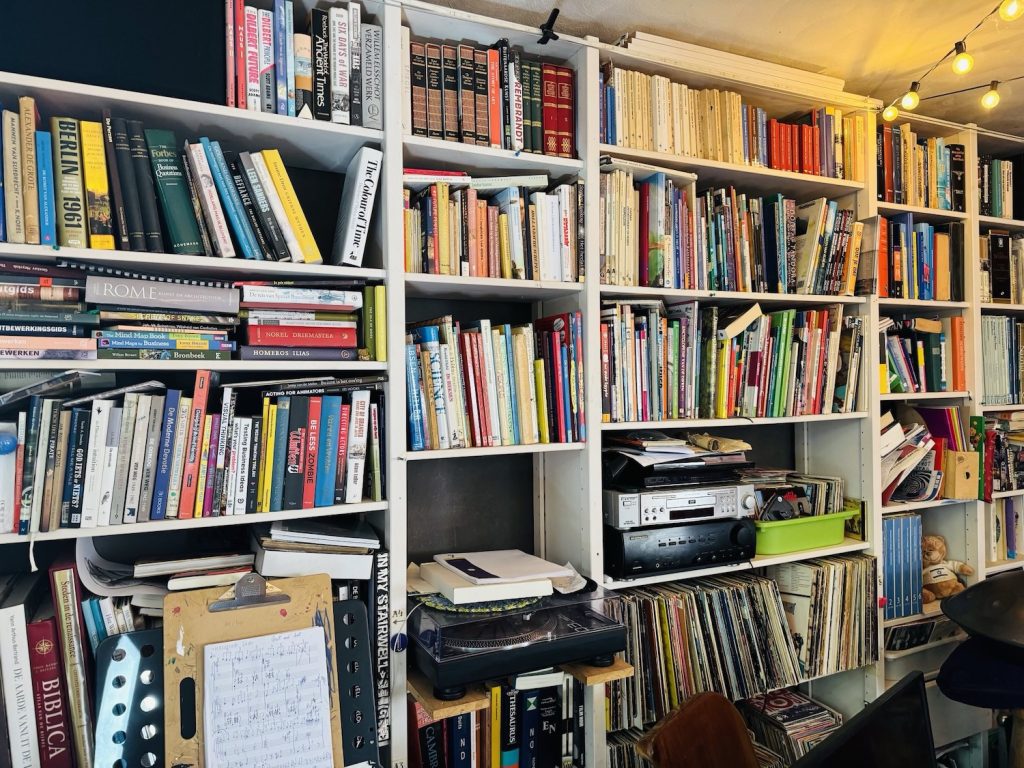
Yes, that actually is one of my book drawers. I have a few of them. And stacks with books. And chests with books. And a lot of e-books and audio books. I read a lot, on average some two books a week.
I will keep a list with books that touched me. Might not be the best books I read, as some are really scientific, but they might have a good story or a great use of language, or whatever. I won’t write a long review, but just give a short rating and some Pros and Cons. If you follow me on Insta you know what I mean.